
Bridging the Digital Gap in Indian Manufacturing
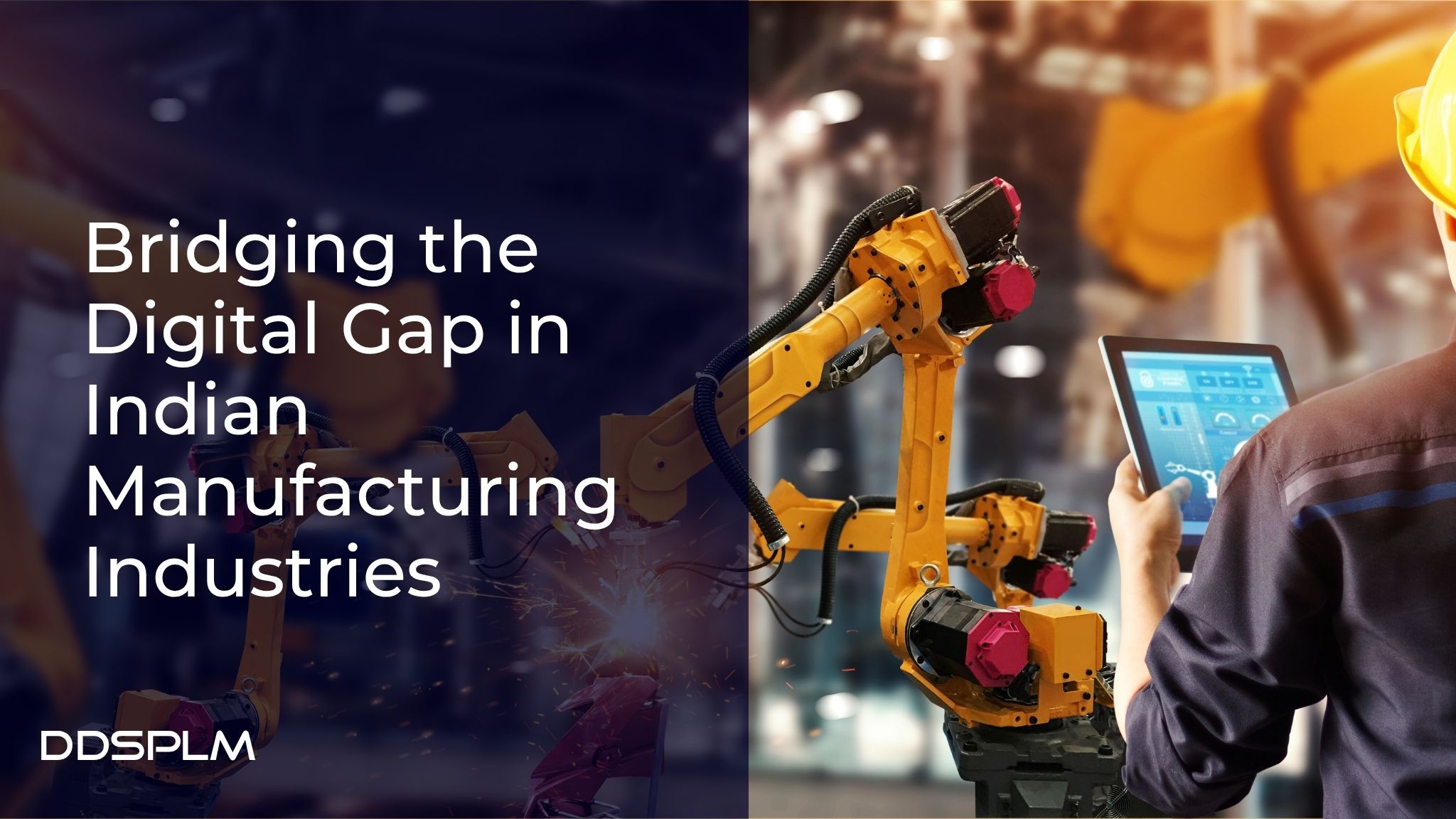
India's manufacturing sector is evolving quickly, driven by programmes such as Make in India and rising expectations from global OEMs. Yet one obstacle keeps holding companies back: the digital gap between traditional, manual production and modern, data-driven manufacturing.
As international manufacturers adopt technologies like the digital twin, simulation, and fully integrated processes, many Indian companies still work with isolated systems, manual workflows, and siloed data. That gap can no longer be ignored — it directly affects competitiveness, productivity, and growth.
Understanding the digital gap
In most factories the gap shows up between three pairs of functions:
- Design and production teams
- Planning and shop-floor execution
- Engineering data and factory operations
In practice, that means:
- Siloed data spread across departments
- A poor hand-off between product design and manufacturing
- Dependence on manual procedures and paper documentation
- Little or no real-time visibility
The result is inefficiency, delays, rework, and higher costs.
Why digital transformation matters
The future of manufacturing lies in connected digital ecosystems that integrate design, simulation, and production. Digital manufacturing uses simulation, analytics, and collaboration tools to develop and validate products virtually before anything reaches the shop floor. Done well, it delivers:
- Reduced time to market
- Fewer design errors and iterations
- Stronger cross-functional collaboration
- Data-driven decision-making
The DDSPLM approach: bridging the gap
DDSPLM helps Indian manufacturers move to connected workflows by combining deep expertise in design, simulation, and manufacturing solutions. The goal is simple: prepare organisations for Industry 4.0 by applying the right technology across the entire product lifecycle.
Four pillars of digital transformation
1. Simulation-driven engineering
Simulation lets manufacturers test and validate designs virtually before committing to physical production. Teams can catch defects early, improve how tools and products perform, and reduce reliance on physical trials — exploring different scenarios at low risk and making better-informed decisions.
2. Product Lifecycle Management (PLM)
PLM is the backbone of modern manufacturing. It manages product data in a single place, lets teams collaborate in real time, and smooths the hand-off from design to manufacturing. The payoff is consistency, traceability, and fewer errors across the lifecycle.
3. Digital manufacturing and the digital thread
A digital thread links every stage from concept to production, holding all product and process data together so teams can see what is happening in real time — which also strengthens compliance and traceability. Digital manufacturing then lets you simulate and optimise production systems before you build them, saving cost and improving efficiency.
4. The intelligent shop floor
Connecting the shop floor closes the loop. Manufacturers can monitor production in real time, control processes more precisely, and gain performance insights from live data — keeping planning and execution in sync.
The impact on Indian manufacturing
Adopting these technologies delivers tangible benefits:
- Faster to market — fewer delays thanks to virtual validation and streamlined workflows.
- Lower cost — less wasted material and reduced tooling spend.
- Better products — defects caught early, so quality stays consistent.
- Stronger teamwork — integrated systems make cross-functional collaboration natural.
Focus: automotive and tooling
In sectors such as automotive and die & mould, the value is especially clear:
- Simulation predicts tooling and manufacturing defects before they happen.
- PLM keeps version control and data consistent.
- Digital manufacturing links design directly to the shop floor.
The result is getting it right the first time, with far less rework.
Challenges in adoption
The advantages are compelling, but manufacturers still face real hurdles:
- Resistance to changing established ways of working
- A shortage of people with digital skills
- Concern about the upfront investment
- The difficulty of integrating with legacy systems
This is exactly where a technology partner like DDSPLM adds value — guiding the process and making the transformation happen.
The road ahead: Industry 4.0
The next chapter of manufacturing will be built on AI-driven simulation, advanced digital twins, connected smart factories, and end-to-end digital continuity. Organisations that start adopting these technologies now will be best placed to lead in the years ahead.
Ready to close your digital gap? Talk to the DDSPLM team.
← Back to all posts