
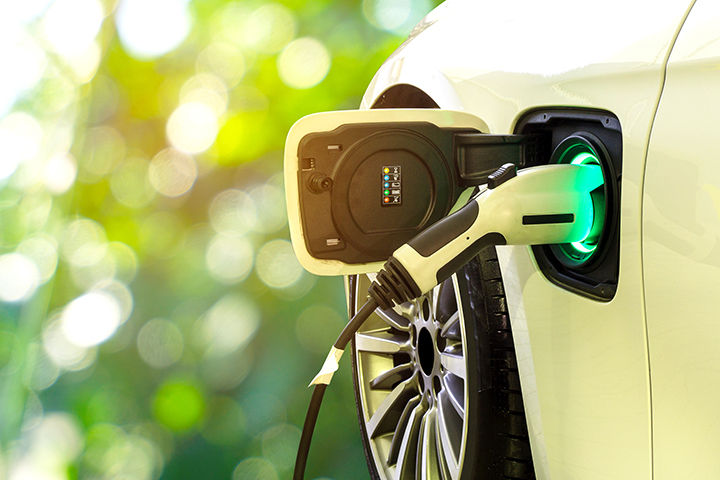
EV programmes have engineering profiles that look nothing like ICE programmes: batteries dominate weight, e-machines dominate NVH, thermal management couples into everything, and platforms get reused across multiple vehicle classes. DDSPLM helps EV programmes — from established OEMs and from new-energy startups — build the validated, traceable engineering chain those characteristics demand.
What makes EV engineering different
- Range and efficiency are system properties. They emerge from battery, motor, inverter, cooling and aero working together, not from any one component.
- Thermal couples everything. Pack, e-machine and power electronics share cooling budgets, so thermal trade-offs ripple across the whole vehicle.
- NVH moves to new frequencies. Without engine masking, e-machine whine and gear noise become the dominant comfort problem.
- Startups need depth without scale. New entrants need OEM-grade validation chains before they have OEM-sized engineering teams — exactly where a partner earns its keep.
End-to-end stack
- Battery system design — cell to pack, with electro-thermal coupling.
- Electric machine design — Simcenter MotorSolve / MAGNET, with thermal and acoustic validation.
- System simulation — Simcenter Amesim for full-vehicle 1D modelling (powertrain, thermal, HVAC, brake regen).
- NVH and durability — Simcenter 3D, Test.Lab, road-load synthesis.
- Crash and structural — Altair Radioss for explicit dynamics.
- PLM — Teamcenter for variant management across powertrain options.
Where we add value
EV programmes typically need integration depth more than any single solver. We’ve helped customers stitch together battery + e-machine + cooling-loop simulations into chains that produce a single defensible vehicle-level answer on range, peak performance, and thermal limits — the questions investors and regulators actually ask.